Nurturing Early Communication: The Benefits of Baby Sign Language
3/2/2025
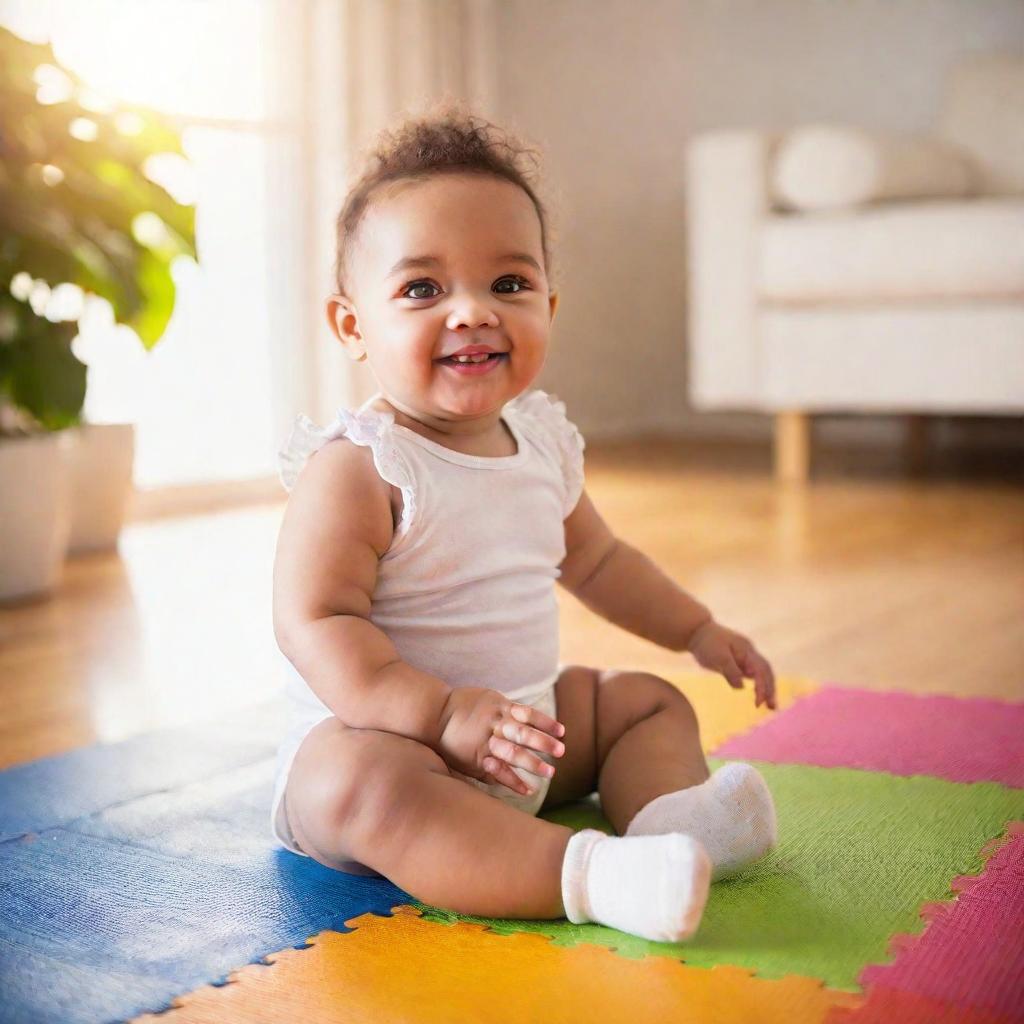
Welcoming a new baby into your life is an exciting and transformative experience. As parents, we find ourselves deeply engaged in love, care, and the overall well-being of the little one. During these early stages, communication plays a foundational role in strengthening the bond between parent and child. While babies might not be able to speak yet, introducing them to baby sign language can open a new dimension of understanding and interaction.
What is Baby Sign Language? Baby sign language is not a full formal sign language used by the deaf community but rather a collection of modified gestures that can be easily learned and used by infants as young as six months old. It serves as an early communication tool, allowing babies to express their needs and desires before they acquire verbal skills.
The benefits of baby sign language extend beyond communication. It has been shown that engaging in sign language can facilitate language development, reduce frustration, and strengthen the emotional bond between parents and their babies.
- Enhancing Communication: Babies are naturally inclined to communicate through gestures. Baby sign language taps into this instinct, allowing them to communicate basic needs like 'more,' 'milk,' or 'all done,' reducing the guessing game for parents.
- Early Language Development: While some parents worry that using sign language may delay verbal skills, research indicates the opposite. By introducing signs alongside spoken words, babies can develop a richer vocabulary and may even learn to speak earlier or at par with their peers.
- Building Confidence and Reducing Frustration: Imagine wanting something and not being able to express it. This is a source of frustration for many infants. By communicating through signs, babies can efficiently convey messages, which can significantly reduce stress and tantrums.
- Deepening Parent-Child Bond: Learning and practicing signs together provides unique bonding moments. As parents observe their baby's needs and respond appropriately, they foster a deeper connections rooted in understanding and empathy.
Introducing signs can be simple and should be an enjoyable activity for both you and your baby. Here are some steps to get started:
- Consistently use signs along with the associated spoken word. For example, when giving your baby milk, sign 'milk.'
- Start with basic, practical words such as 'more,' 'eat,' or 'sleep.'
- Be patient. Repetition and consistency are key; it might take weeks before your baby starts signing back.
- Keep it fun and relaxed. Turn it into a playful activity and celebrate little victories as they come.
As your baby begins to understand and use signs, you may notice positive changes in behavior and communication. This process is not just about teaching signs, but rather nurturing a two-way conversation that respects the intelligence and emotions of your little one.
Integrating baby sign language into your daily routine can be a deeply enriching experience. It's one of those gentle nudges towards understanding and love, which is precisely what parenting is all about. As you embark on this journey, remember to enjoy each gesture and every expression, nurturing the remarkable bond you share with your baby.
Articles for you
Pillar Guide: Babywearing Essentials + Cluster Topics
Pillar post overview: This comprehensive guide explains why babywearing helps day-to-day life, how to choose and use carriers safely, and which routin...
Navigating Preeclampsia: The Power of Kangaroo Care in Newborn Nurturing
Nurturing Life: The Magic of Kangaroo Care and the Journey Through Preeclampsia Bringing a new life into the world is one of the most profound experi...

Enhancing the Parenting Journey with Baby Monitors: A Comprehensive Guide
At the heart of a baby's safe and nurturing environment, baby monitors play a vital role in keeping parents connected to their little ones, even from ...