Pregnancy Movement Made Simple: What, Why, How, and What If
27/5/2026
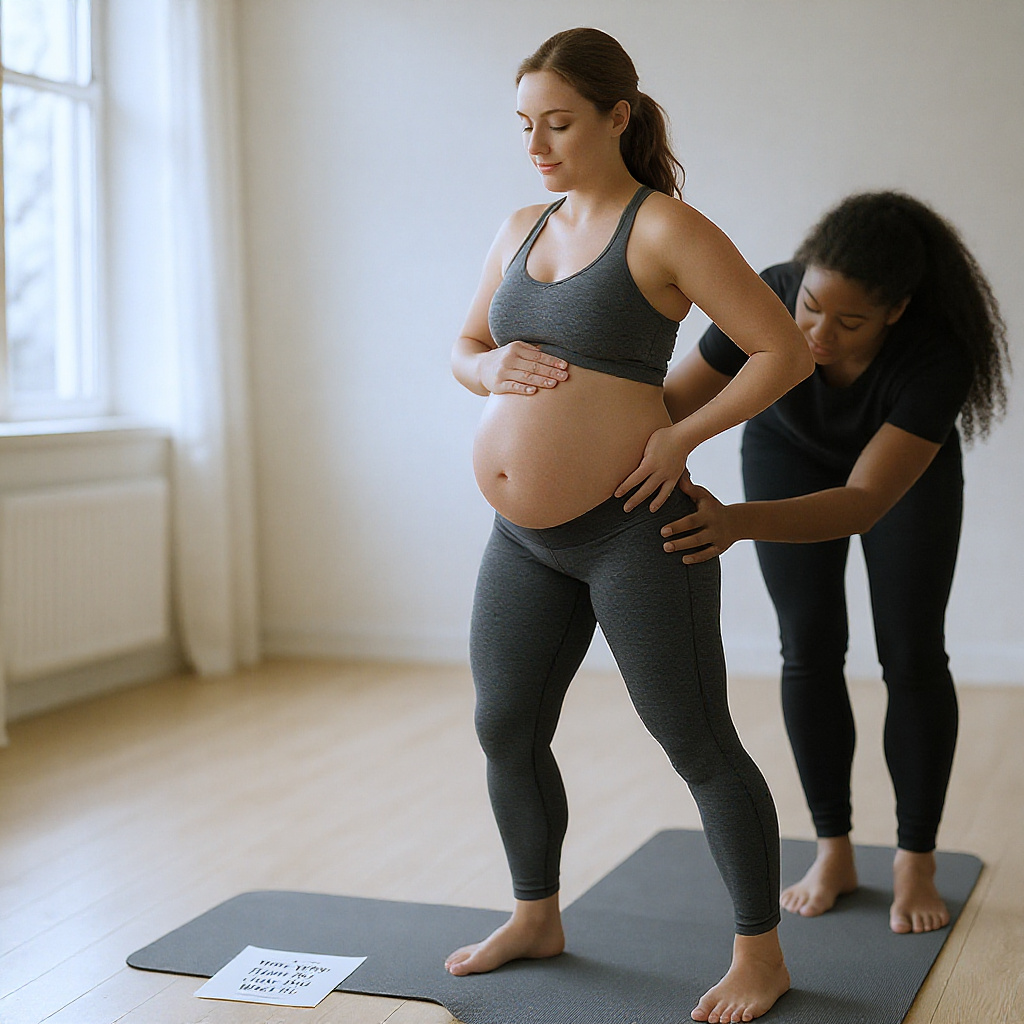
You may feel a mix of emotions as you think about moving more in pregnancy—excitement, everyday fatigue, and worry about what’s truly safe. That’s normal. Pregnancy changes your balance, circulation, and how your body responds to effort, so the safest plan is the one that stays comfortable, repeatable, and responsive to what you feel today.
This is a “What, Why, How, What If” guide to help you understand pregnancy exercise in plain language—so you can move with confidence, not pressure.
WHAT are we talking about?
We’re talking about pregnancy-friendly movement: walking and low-impact cardio, gentle strength work, mobility/stretches, breathing-focused core support, and pelvic-floor–aware coordination. The goal is usually not intensity—it’s comfort, function, and stability as your body adapts.
Movement that fits your day: short walks, gentle cardio, and mobility top-ups.
Strength that supports daily life: posture, legs, and upper-back stability with light resistance and smooth reps.
Pelvic floor coordination: breathing and relaxation paired with gentle trunk stability (not forced “bearing down”).
Core support without high pressure: neutral trunk control and avoiding aggressive abdominal strain.
WHY is it important?
Exercise during pregnancy can help you feel better in practical ways: steadier energy, reduced stiffness, improved posture, easier circulation, and better movement confidence. When you move at a “talkable” effort and stay within a comfort range, you’re supporting your body’s systems without turning your day into a test.
Comfort tends to improve: hips, low back, and pelvic area often feel less guarded after gentle mobility and controlled strength.
Breathing stays supported: the right intensity helps you stay in a “you can talk” zone.
You build trust: learning what feels good today makes it easier to return to movement tomorrow.
HOW do you do it?
Use a simple framework built around safety and feedback: warm up, move within comfort, breathe steadily, and stop early if symptoms change.
Start with a warm-up (5–10 minutes): easy walking, marching in place, gentle hip/shoulder range of motion, or slow mobility.
Use a real-time effort check: the “talk test.” You should be able to speak in short sentences without gasping. No breath-holding.
Pick symptom-friendly movement: walking, supported band work, gentle squats to a chair, cat-cow, hip circles (small range), ankle pumps, and stable balance practice near a wall.
Strength basics: controlled reps, light-to-moderate resistance, exhale during effort, and stop while form is smooth.
Core and pelvic floor coordination: prioritize breath + relaxation + gentle organization (not forced squeezing or straining). If doming/coning, heaviness, or increased pressure shows up, scale down immediately.
Finish with a cool down (5–10 minutes): slower movement and gentle stretching so your nervous system knows you’re done.
Adjust for heat and hydration: drink water before/during, dress in breathable layers, and slow down if you feel overheated.
Many people do best with “starter blocks” rather than one perfect workout:
10–20 minutes counts (short walks, gentle mobility resets, or brief strength sets).
Fatigue days can be micro-sessions (5–8 minutes) like ankle pumps, a few rounds of supported mobility, or a slow stroll.
Common weekly approach (for many, with no contraindications): about 150 minutes/week of moderate walking or an equivalent low-impact activity, plus two days/week of strength and/or mobility—always tailored to your clinician’s advice.
WHAT if you don’t (or want to go further)?
If you don’t move—or you want to go further—this is where symptom-led decision-making matters most.
If you don’t move right now: start smaller than you think. Try 5–10 minutes daily of easy walking or gentle mobility, then build by adding 2–5 minutes when you feel steady.
If you feel “off” during a session: stop early or switch to a gentler option. A good rule is: movement should leave you supported, not depleted.
If you want to progress: add only one small element at a time—slightly more resistance, one extra set, or a longer walk—only if breathing stays comfortable and symptoms don’t increase.
If you want pelvic-floor–specific progress: consider working with a pelvic health physiotherapist so your coordination and pressure management are individualized.
Pause and contact your clinician right away if you notice warning signs such as vaginal bleeding, leaking fluid, chest pain, severe headache, dizziness or fainting, regular painful contractions, calf swelling/pain, or a noticeable decrease in fetal movement.
Best for
This framework is ideal for educational blogs, thought leadership, and explainer content—especially when readers need a clear, reassuring structure for understanding safe prenatal and postpartum movement.
For learners: a simple map of what to do and why it matters.
For skeptics: comfort-based guidance instead of intensity pressure.
For high-stakes decision-makers: a symptom-led “stop and check” approach.
If you ever feel unsure, treat your clinician’s guidance as final. In pregnancy, the safest plan is the one that respects your body’s feedback and keeps movement supportive, not demanding.
Articles for you

7 Ways to Enhance Your Postpartum Recovery
Navigating the weeks after childbirth can feel overwhelming. Here are 7 simple ways to support your body and mind as you adjust to life with your new ...

Swaddling Safety: When Comfort Turns Into a Risk
Problem: Swaddling can feel like the safest way to help your newborn sleep—until baby’s developing movement makes the wrap less safe or less effective...

Mastering the Art of Diapering: A Gentle Guide for New Moms
Welcoming a newborn into your life is an experience like no other, filled with excitement, joy, and a hint of nervousness. As a new mom, it's natural ...