Navigating Preeclampsia: Understanding, Managing, and Finding Support
19/12/2024
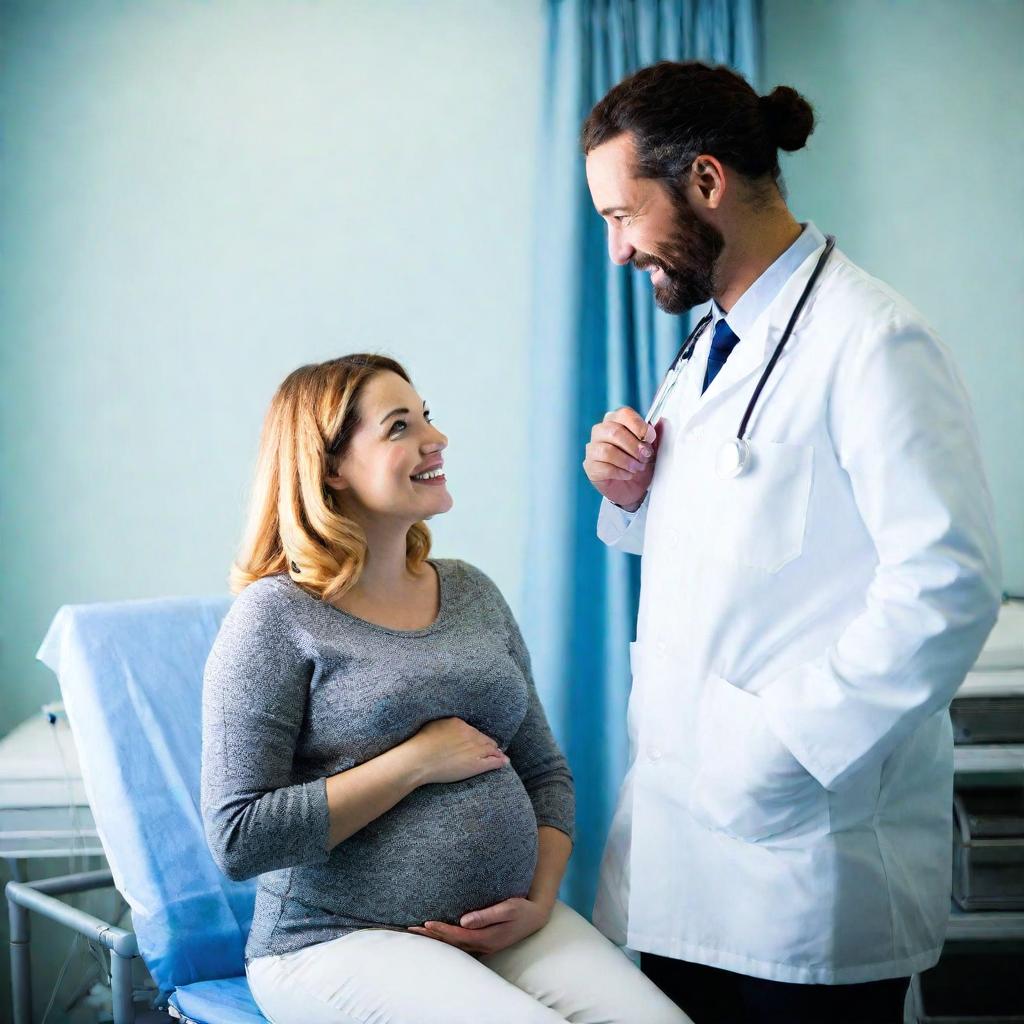
Pregnancy is often described as a time filled with joy and anticipation, but it can also be a period of anxiety and concern, especially when faced with potential complications like preeclampsia. Understanding this condition, its symptoms, and how it affects both the mother and baby can help ease some of the worries and empower expectant mothers with the knowledge they need to ensure a healthy pregnancy.
Preeclampsia is a condition characterized by high blood pressure and signs of damage to another organ system, most often the liver and kidneys. It usually begins after 20 weeks of pregnancy in women whose blood pressure had previously been normal.
It's important to be aware of the symptoms, which can include:
- Severe headaches
- Changes in vision, including temporary loss of vision or blurred vision
- Upper abdominal pain, typically under the ribs on the right side
- Nausea or vomiting
- Decreased urine output
- Sudden weight gain and swelling, particularly in the face and hands
If you notice any of these symptoms, it's crucial to contact your healthcare provider immediately. Early detection of preeclampsia can enhance the ability to manage the condition and improve health outcomes for both mother and baby.
The cause of preeclampsia remains unknown, but several factors may increase the risk:
- The first time pregnancy
- History of preeclampsia in previous pregnancies
- Chronic hypertension or kidney disease
- Working out multiple pregnancies at the same time (twins, triplets, etc.)
- Overweight or obesity
- Age (teenagers and women older than 35)
- Personal or family history of preeclampsia
Managing preeclampsia involves regular monitoring with healthcare providers. Depending on the severity, treatment may involve hospitalization or medications to lower blood pressure. In some cases, the best course is to deliver the baby.
Delivery typically resolves the condition, but it can take time for maternal blood pressure to stabilize after birth. Full recovery often follows a few weeks postpartum, though for some women it may take longer.
It's understandable to feel concerned about complications like preeclampsia, but remember that you're not alone on this journey. Regular prenatal care visits not only help monitor your health, but they also provide an opportunity to ask questions and receive support. Building a strong support network, including healthcare professionals, family, and friends, is crucial in navigating these challenges.
Countless mothers have experienced the same concerns and have managed successful pregnancies by arming themselves with knowledge and leaning on their support networks. Take comfort in knowing that information and support are readily available.
As you navigate this path, keep in mind the importance of self-care. Simple acts like adequate rest, balanced nutrition, and gentle physical activity, if permitted by your healthcare provider, contribute significantly to your well-being.
Pregnancy is a unique, unpredictable journey, but with awareness and preparedness, you're better equipped to face whatever may come. Trust in your body, trust in your caregivers, and know that you're doing an incredible job. Embrace each day, and remember to be kind to yourself along the way.
Articles for you
Crafting a Birth Plan: Your Personalized Guide to a Confident and Calm Childbirth
Creating a birthing plan is an empowering step for expecting mothers on the path to parenthood. It entails making informed decisions about your childb...
7 Ways Delayed Cord Clamping Helps Your Baby and Your Birth
Delayed cord clamping simply means waiting a short time after birth before clamping the umbilical cord so the baby keeps receiving placental blood. Be...
Connecting Through Touch and Words: A Guide to Baby Sign Language, Postpartum Joys, and Babywearing Safety
Connecting Through Touch and Words: A Guide to Baby Sign Language, Postpartum Joys, and Babywearing Safety Becoming a parent is one of life’s most bea...