Gentle Baby Massage: Calm Connection (Problem–Agitate–Solution)
13/12/2025

Problem: You’re exhausted, your baby is unsettled, and you don’t know a safe, simple way to help—feeds, sleep and colic leave both of you tense and anxious.
Agitate: Those late nights and repeated fussiness can make you feel helpless, strain bonding, and turn everyday care into stress. Without clear guidance, trying to soothe your infant can feel risky or confusing, increasing worry about skin, feeding or developmental concerns.
Solution: A short, gentle infant massage routine—rooted in safety and responsiveness—can reduce tension, support digestion and deepen connection. Start slowly, watch cues, and check with your clinician for any health concerns.
- Safety first: Warm hands, gentle pressure, avoid the unhealed umbilical area, and skip massage for fever, open skin, or recent surgery. Patch-test oils; choose fragrance‑free, hypoallergenic products or use no oil.
- Timing & length: Wait 20–30 minutes after feeds, aim for 3–15 minutes depending on age, and pick calm windows like after a diaper change or before a nap.
- Simple strokes: Forehead and temples: light circular strokes; Chest: flat palms for soothing; Tummy: clockwise circles to help gas; Arms/legs: stroke outward from trunk; Back: slow, long strokes—avoid deep pressure.
- Watch cues: Relaxed limbs, soft breathing and coos = continue. Crying, stiffening, turning away, color or breathing changes = stop and soothe.
- When to consult a clinician: prematurity, low birth weight, persistent inconsolable crying, feeding problems, unexplained rash/bruising, or medical conditions—get tailored clearance.
- Adaptations: For C‑section or recovery, protect the incision and use supported positions. For preterm or sensitive infants, coordinate with neonatal/therapist teams and keep strokes very brief.
- Practical tips: Keep sessions predictable, involve partners, track short notes (time, baby’s cues, skin reactions) and prioritize your comfort.
Start small and be patient: consistent, calm touch often brings quiet progress. If you’re unsure, bring your notes to your pediatrician or a certified infant‑massage instructor for personalized guidance.
Articles for you

Embracing Postpartum Recovery: A Guide to Perineal Care for New Mothers
Welcoming a new life into the world is a profound journey, brimming with emotions, changes, and responsibilities. As a new mother or an expecting pare...
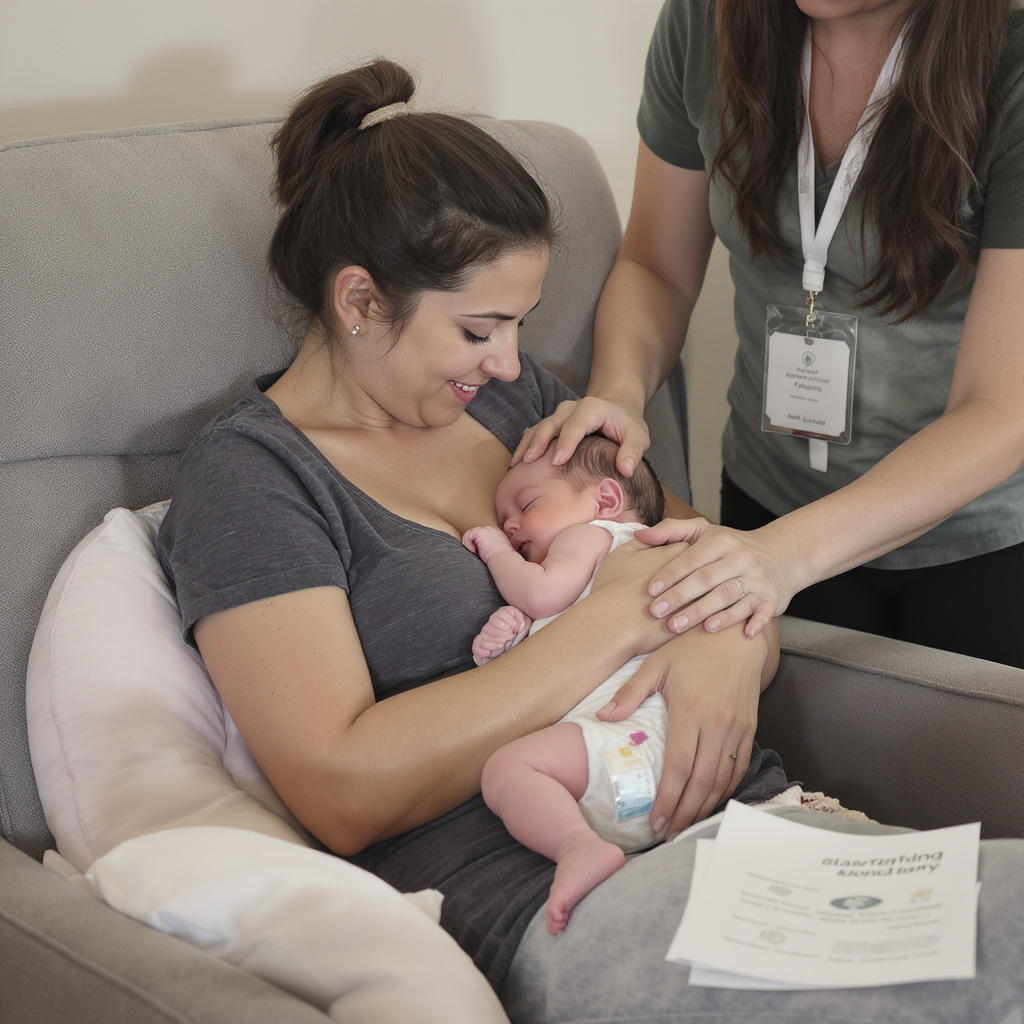
Breastfeeding & Early Postpartum Care — What, Why, How, What If
What: Practical guidance on newborn feeding, early milk production (colostrum to mature milk), latch and positioning, pumping, common breastfeeding pr...

7 Ways to Nurture Your Baby's Development
Embarking on the journey of parenthood brings with it the responsibility to nurture your child's development. Here are 7 ways to support each stage of...