Exploring Breastfeeding Positions: Finding Comfort and Ease for Mother and Baby
18/2/2025

Breastfeeding is a journey that can be as rewarding as it is challenging. Finding the right breastfeeding position can significantly impact both the mother's comfort and the baby's ability to feed effectively. This guide explores various breastfeeding positions, aiming to offer support and practical advice to new mothers navigating this beautiful, yet often complex, aspect of motherhood.
The ideal position may vary depending on several factors, including the baby's age, the mother's body type, and specific needs such as recovery from delivery. Here, we break down some popular positions, highlighting their benefits and offering tips for successful implementation.
- Cradle Hold: The cradle hold is one of the most commonly used breastfeeding positions. To get into this position, sit comfortably with your baby’s head resting in the crook of your arm and their body aligned with your tummy. This classic position allows for intimate skin-to-skin contact and is often comforting for both mother and child.
- Cross-Cradle Hold: Similar to the cradle hold, the cross-cradle hold provides greater control, especially helpful for new mothers. In this position, the baby is supported by the arm opposite to the breast they are feeding from, allowing the other hand to guide the baby’s latch onto the breast.
- Football Hold: Also known as the clutch hold, this positioning resembles holding a football or a handbag. This position can be advantageous for mothers recovering from a C-section, as it minimizes pressure on the abdomen. It’s also useful for mothers with twins, allowing simultaneous feeding from both breasts.
- Side-Lying Position: This position is ideal for nighttime feedings and can help mothers rest while breastfeeding. Both mother and baby lie on their sides, facing each other, facilitating a calm and relaxed feeding experience without needing to sit up.
- Laid-Back Position: Sometimes referred to as biological nurturing, the laid-back position involves reclining comfortably, allowing the baby to latch while lying on the mother’s chest. This position encourages a natural latch and can be useful for babies who are gassy or colicky.
Choosing the right position is a personal decision, influenced by individual preferences and the dynamics between mother and child. It's important to experiment with different positions to find what works best for both of you.
In addition to these positions, keeping certain tips in mind can enhance your breastfeeding experience:
- Comfort for the Mother: Ensure you are comfortable, whether sitting or lying down. Use pillows for support if needed to prevent back and neck strain.
- Proper Latch: A proper latch is crucial for efficient feeding and to prevent soreness. Aim for the baby to take in both the nipple and part of the areola.
- Relaxation: Try to create a calm environment to help reduce stress and facilitate milk flow. Experiment with gentle music or deep-breathing exercises if you find breastfeeding stressful at first.
Remember, breastfeeding may require patience and practice, but with the right support, it can become a cherished bonding time between you and your baby. Seek guidance from lactation consultants if you encounter persistent challenges, as professional advice can make a substantial difference.
This intimate process is unique for every mother-baby duo, embedding itself as a tender chapter in the fascinating adventure of parenting.
Articles for you

Nurturing Yourself and Your Baby: A Holistic Approach to Postpartum Life
Nurturing Yourself and Your Baby: A Holistic Approach to Postpartum Life Becoming a parent is one of the most profound experiences life has to offer....
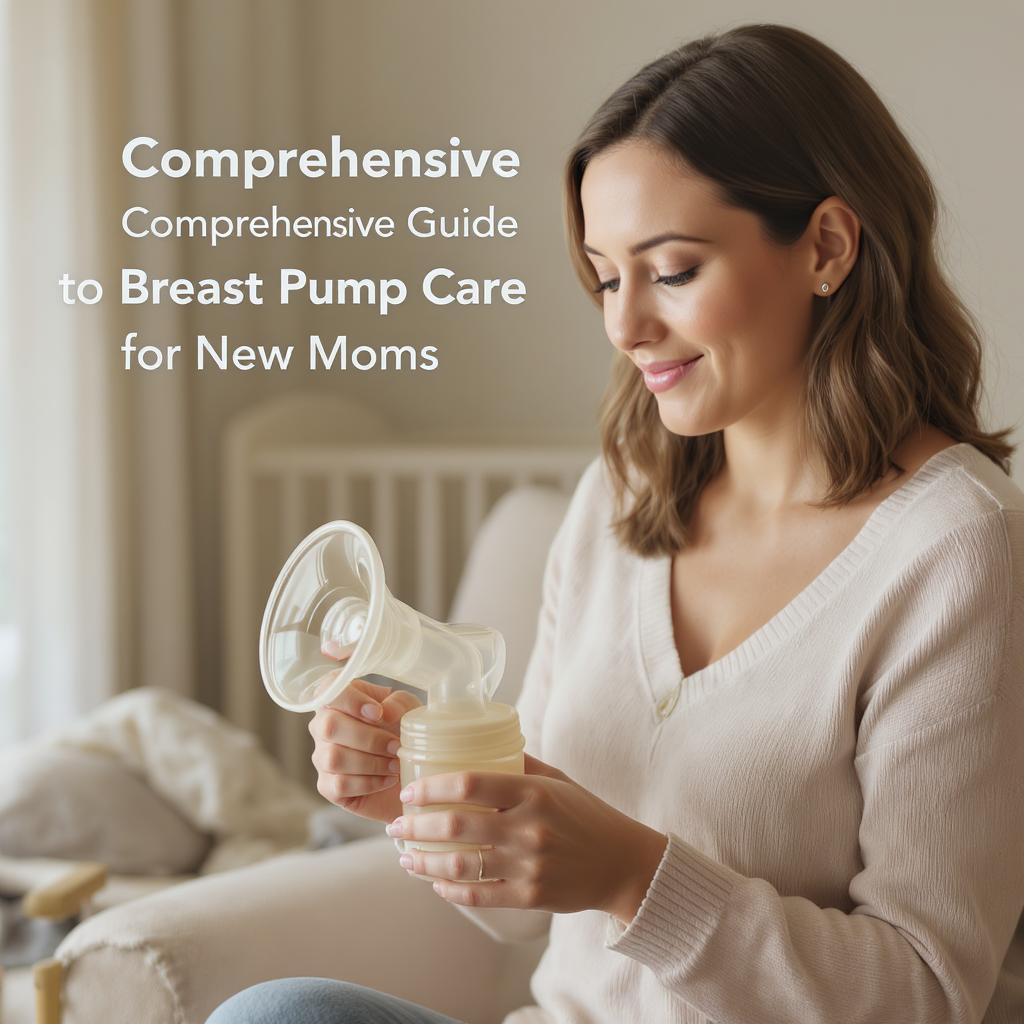
Comprehensive Guide to Breast Pump Care for New Moms
Caring for your newborn involves many joyful responsibilities, among which ensuring the cleanliness of your breast pump equipment stands vital. This m...

Pregnancy Hormones: What, Why, How, What If
TL;DR Hormones (hCG, progesterone, estrogen, relaxin, oxytocin, prolactin) drive most physical and emotional changes. Simple self-care eases comm...