Establishing Healthy Sleep for Your Baby
26/9/2025
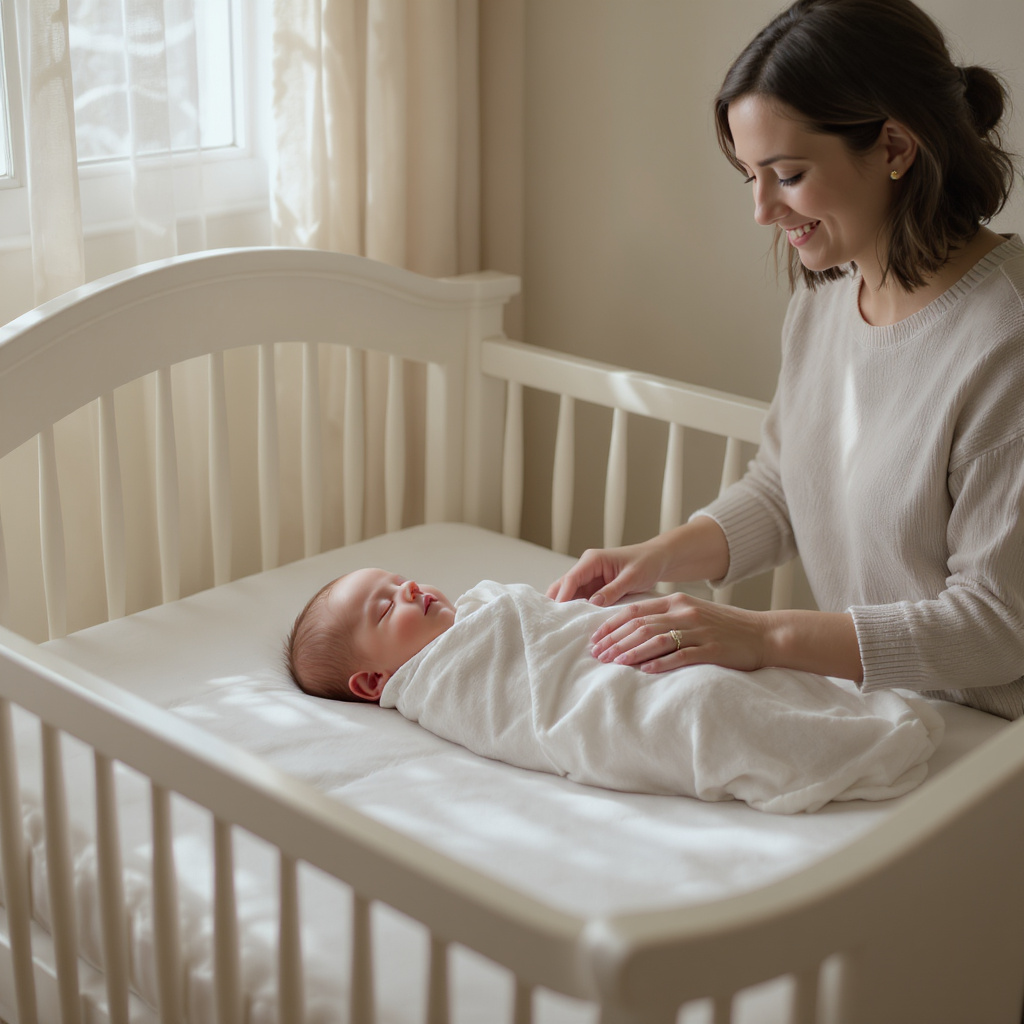
What: Understanding your baby’s evolving sleep patterns—from 14–17 hours daily in newborns to 12–16 hours by four months—and creating a safe, soothing environment.
Why: Consistent, restorative sleep supports growth, emotional regulation, and parental well-being, while reducing the risk of overtired meltdowns and SIDS.
How:
- Evening routine: Feed, diaper change, cuddle, then introduce low lights, soft music or white noise to signal bedtime.
- Sleep space: Keep room temperature at 68–72°F; use a firm mattress with a snugly fitted sheet; remove pillows, bumper pads, toys, and loose blankets.
- Swaddles & sleep sacks: Swaddle until rolling begins (around 2 months), then transition to a wearable blanket that allows hip movement.
- Daytime naps: Offer rest every 1–1.5 hours of wakefulness (30–45 minutes initially), gradually extending as your baby grows; combine with natural daylight and gentle play.
- Responding to cues: Watch for yawns, eye rubs, fussiness; try a swaddle re-tuck, soft shushing, or gentle rocking to lull your baby into rest.
What If: Skipping these steps can lead to shorter naps, fragmented nights, and overtired fussiness. If sleep challenges persist, consider consulting a pediatric sleep specialist. Remember: every baby is unique—adjust routines as they hit new milestones, always following AAP safe-sleep guidelines.
Articles for you
Navigating the Postpartum Journey: Insights, Support, and Self-Care for New Mothers
The postpartum period, often referred to as the ‘fourth trimester,’ is a transformative stage in a mother's life that begins immediately after childbi...

Newborn Immunity: What, Why, How, What If
WhatWe’re talking about a newborn’s immune protection — the immediate defenses (innate immunity), antibodies transferred from the mother, and the deve...

Navigating Pregnancy and Motherhood with Doula Support: A Journey of Empowerment and Care
Welcoming a new life into the world is an extraordinary and transformative journey. For many expectant mothers, this period is filled with a mix of an...