Embracing the Journey of Motherhood: The Crucial Role of Postpartum Doulas
10/6/2025
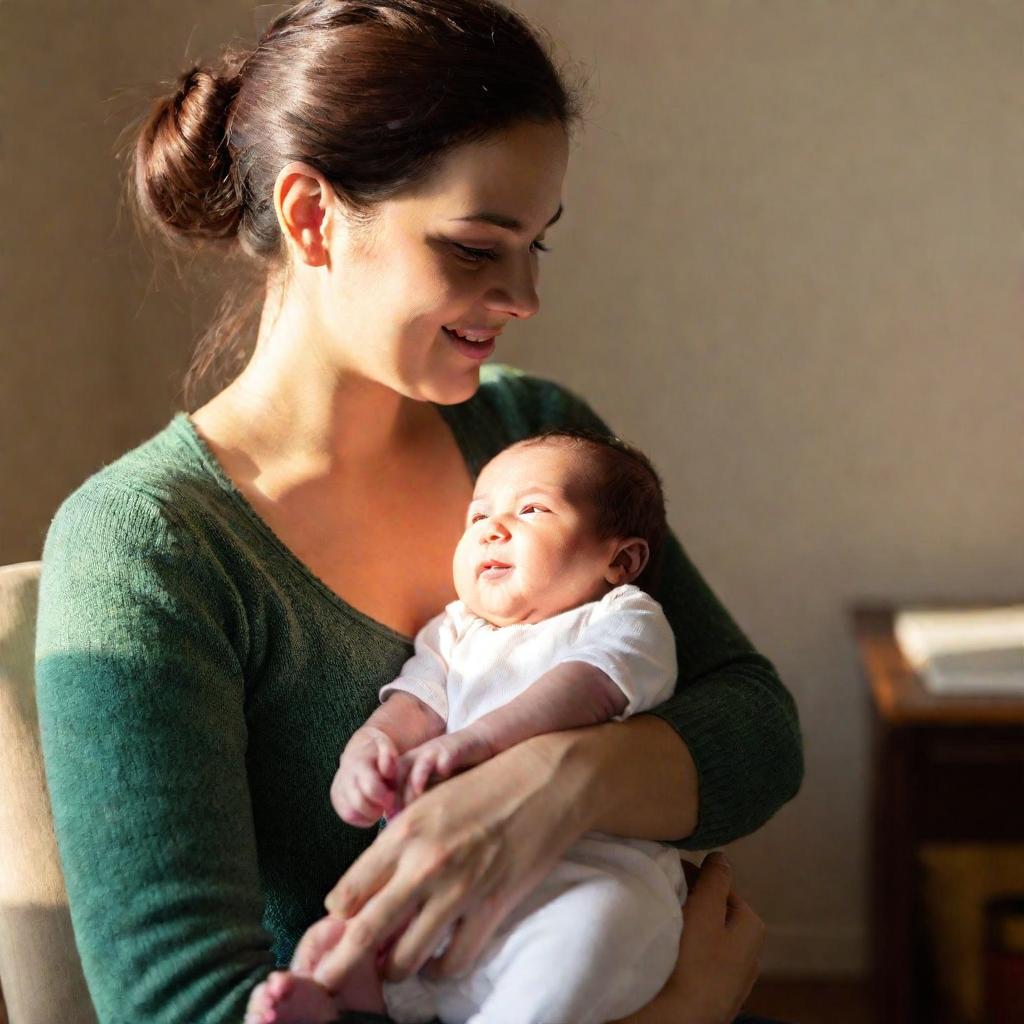
What are we talking about? The presence of a postpartum doula can be an invaluable resource for new mothers during the early days of motherhood. Unlike traditional doulas who assist during childbirth, these professionals specialize in providing emotional, physical, and educational support once the baby arrives.
Why is it important? Postpartum doulas empower mothers to navigate this transformative period with confidence, ensuring the mother and child are surrounded by a well-rounded network of support. According to research, families who utilize postpartum doula services often report higher satisfaction with their postpartum experience.
How do you do it? Postpartum doulas offer guidance tailored to each family's unique needs, including feeding support, sibling adjustment strategies, rest improvement techniques, and practical support for emotional well-being.
What if you don’t (or want to go further)? Without a doula, mothers may miss the added support to navigate emotional shifts and physical discomforts that can arise after birth. For those looking to go further, continuous support networks and educational resources can assist in navigating motherhood with informed confidence.
What are we talking about? Emotional transitions are a key aspect of early motherhood. These shifts can feel daunting as new mothers encounter an overwhelming sense of responsibility and emotional changes.
Why is it important? Recognizing these feelings as normal is crucial. Postpartum doulas act as beacons of understanding, offering a compassionate, listening ear and emotional validation to reinforce mothers' instincts and confidence.
- Mindfulness Techniques: Doulas incorporate practices to manage stress and fatigue by encouraging present awareness.
- Rest Strategies: Techniques such as paced breathing or short, restorative naps replenish energy levels.
- Recommended Resources: Books like "The Mindful Mother" offer further exploration.
How do you do it? Doulas provide a safe space for mothers to express feelings, validate emotions, and suggest moments of pause for growth.
What if you don’t (or want to go further)? Without this support, emotional overwhelm can lead to higher risks of postpartum depression and anxiety. Additional resources and support groups can further enhance maternal resilience and emotional well-being.
What are we talking about? Mothers often encounter physical discomforts like perineal pain and breastfeeding challenges, which are natural parts of postpartum recovery.
Why is it important? Easing these discomforts with non-medical assistance, like posture support during breastfeeding or gentle massages, can enhance the bonding experience and promote natural healing processes.
How do you do it? Doulas offer posture support for comfortable feeding, introduce gentle exercises for circulation, and provide insights for recovery.
What if you don’t (or want to go further)? Without support, physical recovery may feel daunting. Engaging with healthcare providers and exploring personalized recovery plans can offer additional pathways for healing.
What are we talking about? The arrival of a newborn can shift family dynamics, especially for siblings adjusting to new roles.
Why is it important? Encouraging sibling involvement prevents feelings of displacement and cultivates a nurturing relationship with the new baby.
How do you do it? Doulas suggest age-appropriate tasks and individual recognition strategies to make siblings feel valued. Partners are encouraged to engage in open dialogues for shared parenting approaches.
What if you don’t (or want to go further)? Without attention to these dynamics, siblings may struggle with adjustment. Exploring resources on sibling relationships and family counseling can deepen familial bonds.
What are we talking about? Navigating infant feeding involves diverse preferences: exclusive breastfeeding, combination feeding, or formula feeding.
Why is it important? Feeding approaches are crucial for baby’s health and bonding experiences.
How do you do it? Doulas provide non-judgmental guidance, tips for an optimal latch, and information on formula safety and preparation, tailoring support to each family's needs.
What if you don’t (or want to go further)? Feeding challenges can arise without proper support. Partnering with lactation consultants and healthcare providers can resolve issues and support informed decision-making.
What are we talking about? Creating a tranquil and organized home environment supports well-being during early parenthood.
Why is it important? A calm space acts as a sanctuary, aiding in stress reduction and supporting family health.
How do you do it? Embrace minimalism, use organic materials, and ensure a functional layout, complemented by nurturing rituals and regular decluttering.
What if you don’t (or want to go further)? Without intentional design, chaos may ensue. Engaging with interior design professionals for baby-friendly spaces can offer advanced solutions.
What are we talking about? Self-care is a vital aspect of motherhood, contributing to overall family wellness.
Why is it important? Small self-care gestures significantly impact a mother’s physical and emotional health, setting a positive example.
How do you do it? Integrate simple activities, manage time effectively, and build a support network for consistent self-care routines.
What if you don’t (or want to go further)? Without self-care, parenting stress increases. Exploring community resources and professional guidance can further support maternal well-being.
What are we talking about? Each postpartum journey is unique, fully encapsulating discovery, growth, and community support.
Why is it important? Embracing imperfections fosters resilience, and leaning into community support strengthens collective wisdom.
How do you do it? Engage in continuous learning, seek guidance from networks, and embrace self-compassion to transform challenges into meaningful connections.
What if you don’t (or want to go further)? Without embracing community learning, feelings of isolation may occur. Further involvement in diverse support groups can enrich maternal experiences.
Articles for you

Baby Sign Language: A Practical Guide
Main point: Baby sign language gives infants simple, repeatable gestures paired with spoken words so they can express basic needs earlier, which often...

Crafting a Meaningful Pregnancy Announcement
Becoming a parent is a transformative milestone, a journey filled with wonder, excitement, and planning as you prepare to share the joyous news. A mem...

Balancing Breastfeeding and Returning to Work: A Guide for New Mothers
Returning to work after maternity leave is a significant transition for any new mother. Balancing breastfeeding with the demands of a professional env...