Conquer C-Section Anxiety: A Problem–Agitate–Solution Guide
10/20/2025

Problem: Facing a scheduled or emergency C-section can spark anxiety, uncertainty, and fear of the unknown. You may worry about surgery risks, pain management, or how quickly you’ll bond with your baby.
Agitate: Those sleepless nights spent scrolling birth forums only magnify your doubts. Thoughts swirl: "What if my baby’s heart rate drops? How painful will recovery be? Will I miss critical skin-to-skin time?" Each unanswered question fuels stress and undermines confidence as your due date approaches.
Solution: Empower yourself with a clear, step-by-step plan that transforms fear into focus. Here’s how:
- Mindful Preparation: Schedule a preoperative consultation. Jot down questions on anesthesia options, pain protocols, and breastfeeding timelines. Knowing you’ll understand each step calms nerves and lets you participate actively in your birth plan.
- Hospital Bag Essentials: Pack high-waisted pants, nursing bras, non-skid socks, and toiletries. For baby, include front-snap onesies, a warm blanket, diapers, and a ready-to-install car seat. These ready items keep focus on you and your newborn—not on forgotten items.
- Comfort Strategies in the OR: Choose between a single-dose spinal block or an adjustable epidural catheter. Ask your anesthesiologist what sensations to expect—pressure, tugging, or vibration—so you’re never caught off guard.
- Early Recovery Tactics: Use a multimodal pain plan: scheduled acetaminophen or ibuprofen, local anesthetic patches, and, if needed, a low-dose PCA pump. Add gentle heat packs or guided breathing exercises for non-medicated relief.
- Mobilization & Bonding: Begin ankle pumps and leg circles in bed. Take short hallway walks every few hours. Meanwhile, initiate skin-to-skin contact within the first hour to regulate baby’s temperature, calm their breathing, and spark that first feeding.
- Nutrition & Healing: Fuel your body with lean proteins, colorful vegetables, whole grains, and healthy fats. Hydrate with eight to ten cups of water or herbal tea daily. These habits accelerate incision repair and sustain breastfeeding energy.
- Emotional Support: Join online or in-person support groups to share wins and challenges. If anxiety or sadness persist beyond two weeks, reach out to a postpartum specialist—early care prevents deeper concerns.
By following this PAS-driven roadmap, you replace worry with preparation, pain with proactive comfort measures, and uncertainty with informed decisions. Step into your C-section experience equipped, empowered, and ready to focus on the joy of meeting your baby.
Articles for you
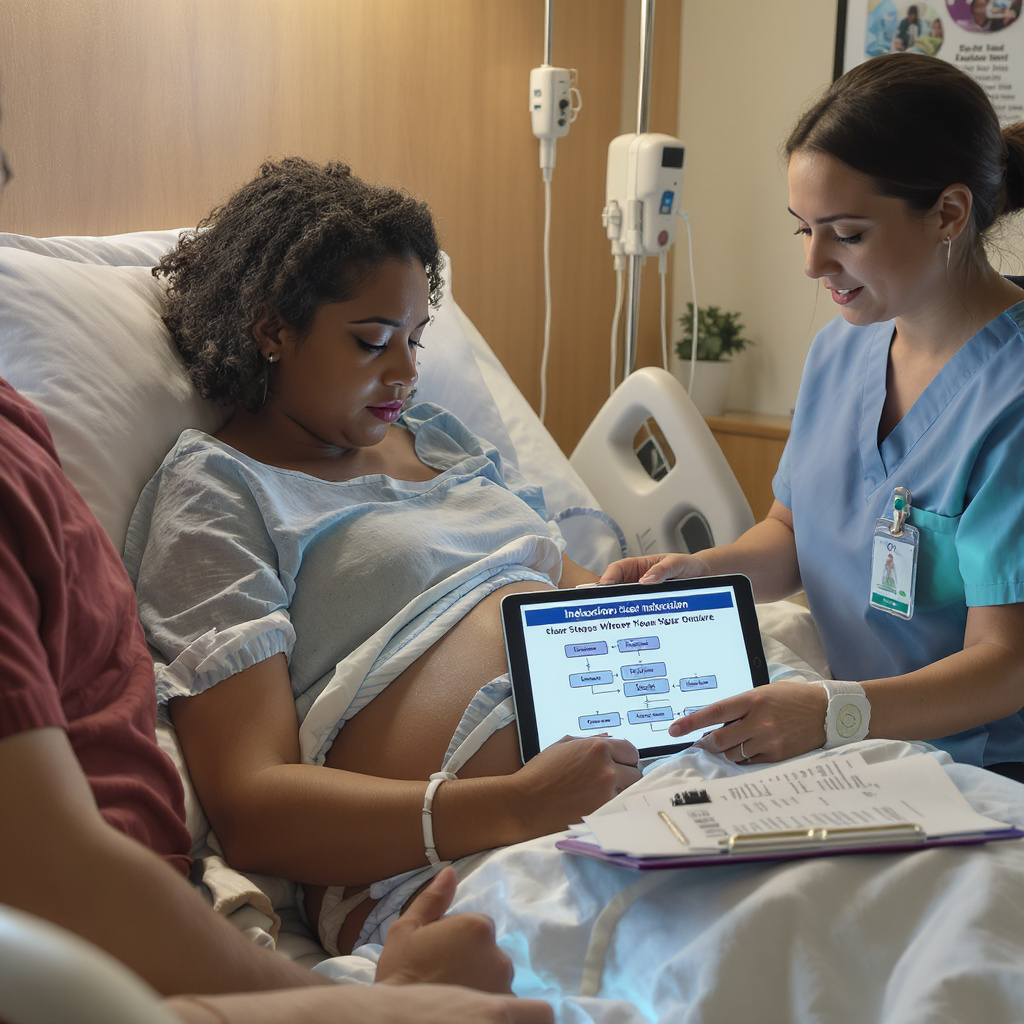
Induction: Clear Steps When You’re Unsure (Problem–Agitate–Solution)
Problem: Being told you need an induction can feel disorienting — sudden decisions, medical terms, and worry about outcomes like stronger contractions...

Navigating Pumping at Work: Empowering Tips for Breastfeeding Mothers
Returning to work after having a baby is a significant transition, especially if you're planning to continue breastfeeding. Navigating the workplace w...

7 Ways to Nurture Your Baby's Development
Embarking on the journey of parenthood brings with it the responsibility to nurture your child's development. Here are 7 ways to support each stage of...