Cesarean Birth: From Worry to Confidence — A Practical Guide
3/18/2026
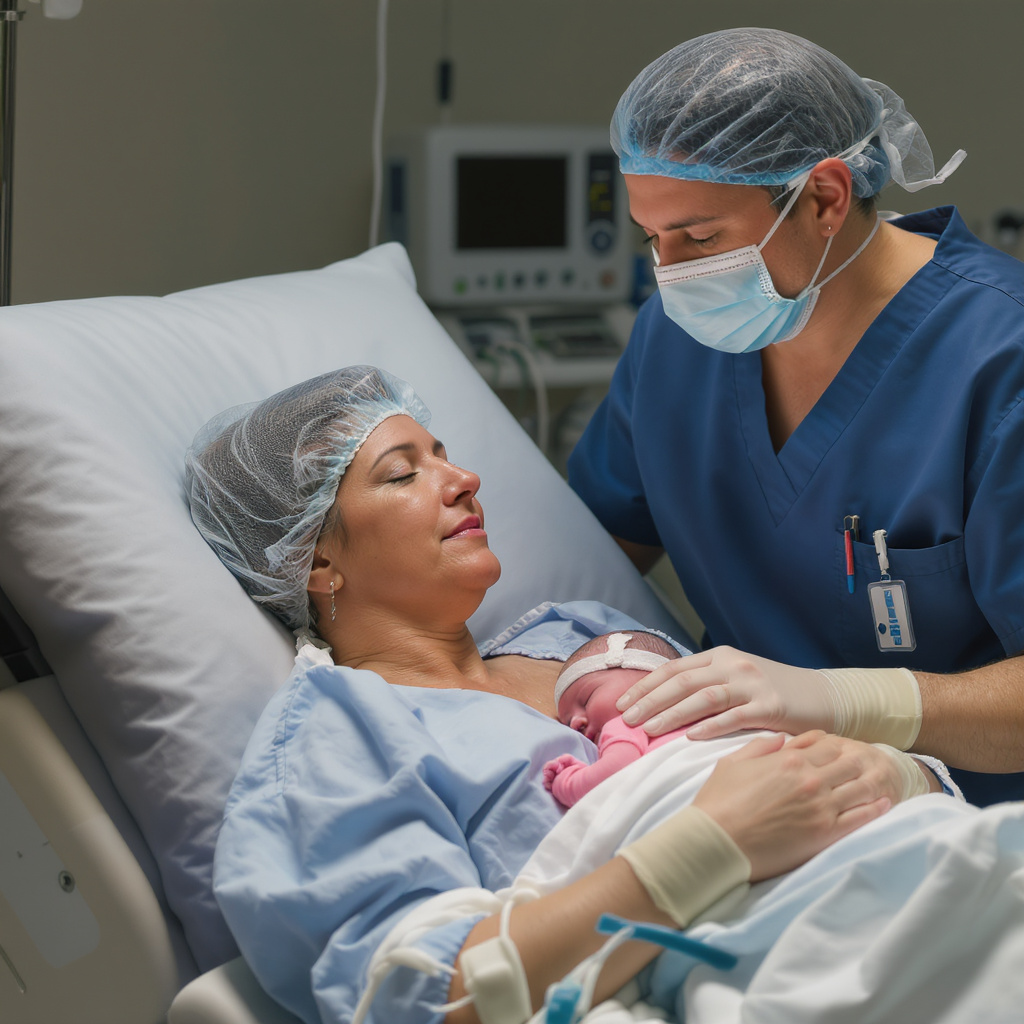
Problem — The worry you’re carrying
Facing a cesarean can feel like stepping into the unknown: sudden surgery, questions about safety, a longer recovery, worry about breastfeeding, and anxiety about future pregnancies. Many people fear losing control of their birth plan or not getting the support they need in the first hours with their baby.
Agitate — Why this matters now
Those uncertainties aren’t just abstract — they affect pain, healing, bonding, and your mental health. Without clear answers, you may experience higher pain, delayed breastfeeding, wound problems, or avoidable complications later (for example, risks tied to multiple cesareans). Emotional fallout — disappointment, grief, or postnatal mood changes — can make recovery feel lonelier and harder.
Solution — Clear steps to regain control
You don’t have to navigate this alone. Practical preparation, targeted questions, and a tailored recovery plan reduce risk and restore confidence. Start by discussing incision type and future birth options, anesthesia choices, and a pain-management plan that’s safe for breastfeeding. Ask your team about hospital policies for skin-to-skin, delayed cord clamping, partner presence, and thrombosis prevention.
Key questions to ask
- Which uterine incision do you expect and how does it affect future births?
- Which anesthesia do you recommend and what are the risks?
- What pain medicines are safe while breastfeeding?
- When can skin-to-skin and breastfeeding start?
- What thrombosis prevention will we use?
Practical checklist
- Hospital bag: ID, charger, loose clothing, nursing bra, documents.
- Printed birth preferences and consent paperwork.
- Confirm antibiotics, crossmatch/blood plan, and catheter timeline.
Recovery and feeding tips
- Use football or side-lying holds to protect the incision.
- Start short walks early, wear loose clothing, and manage constipation.
- Seek lactation support early for latch or supply concerns.
Warning signs — call if you see:
- Heavy bleeding, fever, increasing incision redness or drainage.
- Breathing difficulty, chest pain, or calf swelling.
Talk openly with your care team, request written resources, and lean on emotional supports. With the right plan and clear communication you can protect your health, support breastfeeding and bonding, and move from fear to confidence as you welcome your baby.
Articles for you

Postpartum essentials: recovery, warning signs, feeding, and newborn care
Main point: After birth, prioritize safety and basic recovery: watch for urgent warning signs, protect rest and pain control, get feeding support, and...

Crafting a Meaningful Pregnancy Announcement
Becoming a parent is a transformative milestone, a journey filled with wonder, excitement, and planning as you prepare to share the joyous news. A mem...

Cord Blood Banking: A Pillar Guide with Cluster Posts for Parents and Providers
Pillar overview — Cord blood banking explainedCord blood is the blood remaining in the umbilical cord and placenta after birth. It contains hematopoie...