7 Ways to Improve Your Babywearing Fit, Safety, and Comfort
19/5/2026
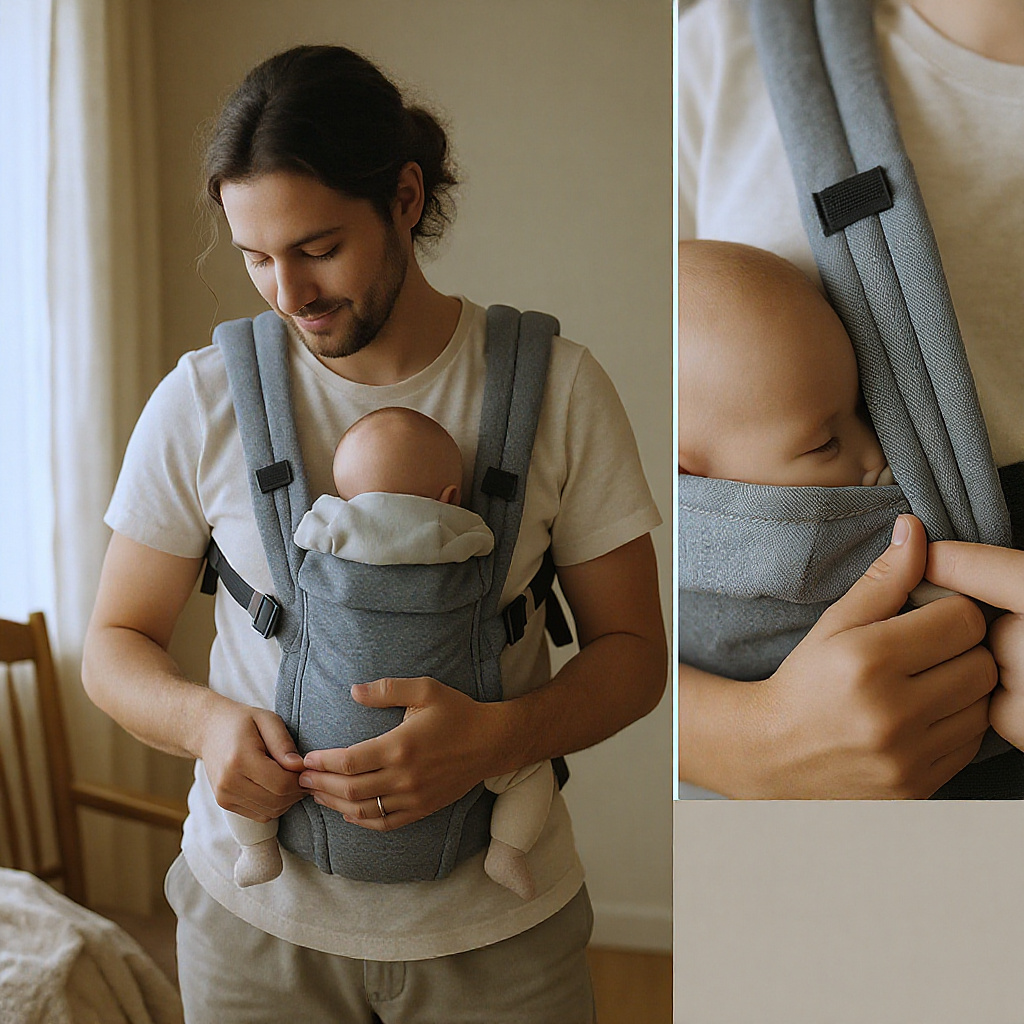
7 Ways to Improve Your Babywearing Fit, Safety, and Comfort
Many parents describe babywearing as one of those “how did we manage without this?” supports—especially when a baby wants to be held constantly. But the real win isn’t just closeness; it’s using a carry that you can trust. Here are seven practical ways to improve fit, airway safety, and comfort so babywearing becomes steady support—not an ongoing worry.
-
1) Keep baby close—and keep airway-safe visibility
Prioritize positioning essentials every time: baby should be held high enough that you can see their face clearly. Their nose and mouth should stay unobstructed and easy to check, especially when you stand, bend, or walk.
Quick cue: if you can’t clearly see baby’s face, pause and adjust before continuing.
-
2) Prevent sag and slump with height + torso support checks
Sag/slump often means baby’s chin drifts toward the chest, the torso support isn’t holding them securely, or hips aren’t seated into a stable base. Don’t wait for “obvious” changes—re-check after every posture shift.
- Stop early: if baby slides lower, take a moment to reset.
- Re-seat intentionally: adjust the carrier parts that support baby’s torso/seat, then re-check height and face visibility.
-
3) Get hip support right (it’s a cornerstone, not a detail)
A stable, supported “seat” under baby’s bottom and thighs helps maintain a safer, more comfortable carry. If baby perches awkwardly or the seat seems unstable, you’ll often notice that posture and comfort drift too.
What you’re aiming for: a snug, supportive base—so baby’s hips stay supported rather than hanging.
-
4) Follow your specific carrier’s instructions (carrier-specific beats generic tips)
Babywearing safety guidance can vary by carrier model and baby’s age/weight range. The most reliable “rules” come from the manufacturer’s manual, then you can reinforce the fundamentals using reputable safety education resources.
Practical habit: when something feels off, troubleshoot in a way that matches your exact carrier type and instructions.
-
5) Move like you’re checking (walk, shop, bend—then re-check)
Real life changes fit. A short movement—sitting, standing, turning, bending in a store—can shift baby’s position. Treat transitions as mini check-ins.
- Walk with smaller steps first: it can reduce “bounce” that gradually lowers baby.
- Plan for “bend and reach” moments: change position slowly when picking things up.
- Do a quick re-check after transitions: after you sit, after you stand, after you step out of the car.
-
6) Keep feeding simple: protect posture and airflow
Feeding while babywearing can work for some families and not for others. If you feed in a carrier, keep posture and airway safety front and center.
- Before you feed: confirm baby stays high, face visible, and nose/mouth unobstructed.
- During feeding: watch for posture drift (like chin tipping or slumping). Pause and adjust—or step out if needed.
- Rule of thumb: if you can’t comfortably check baby’s face, consider taking baby out for feeding.
-
7) Think temperature first (and avoid obstructive layers)
Babywearing can add warmth because baby is close to your body. Dress for the environment, then avoid extra bulk around baby’s face and breathing area.
- Avoid obstructive covers: anything that can slide, bunch, or create a “sealed” area near baby’s nose/mouth is risky.
- Use breathable layering: choose layers that you can remove easily as temperatures change.
- Check comfort often: sweating/damp hair, unusual fussiness, or warmth cues mean it’s time to remove a layer.
Safety note: Babywearing is for awake, supervised use and does not replace safe sleep. If you have medical concerns (for example, persistent reflux, breathing issues, poor weight gain, unusual lethargy, or pain for you or your baby), contact a qualified clinician rather than relying on a carrier to “fix” the issue.
When you combine these seven improvements—close, supported positioning; consistent airway visibility; hip support; carrier-specific instructions; transition-based re-checks; posture-first feeding; and temperature/airflow awareness—you build a routine that feels calmer, safer, and more sustainable for your real day.
Articles for you

7 Ways to Soothe Your Baby’s Tummy Discomfort
Every little one experiences tummy fussiness now and then. Use these seven tips to comfort your baby, spot normal versus concerning signs, and support...

Postpartum Recovery Guide: What, Why, How, What If
What: Postpartum recovery is the process by which your body heals and adapts after childbirth. It includes physical changes—like uterine involution, d...

A New Parent’s Guide: Navigating Newborn Vaccinations with Confidence
Becoming a parent is a profound journey, filled with joy, new responsibilities, and a desire to protect your newborn. Among the crucial steps in safeg...