7 Key Facts About Ultrasound in Pregnancy
24/11/2025
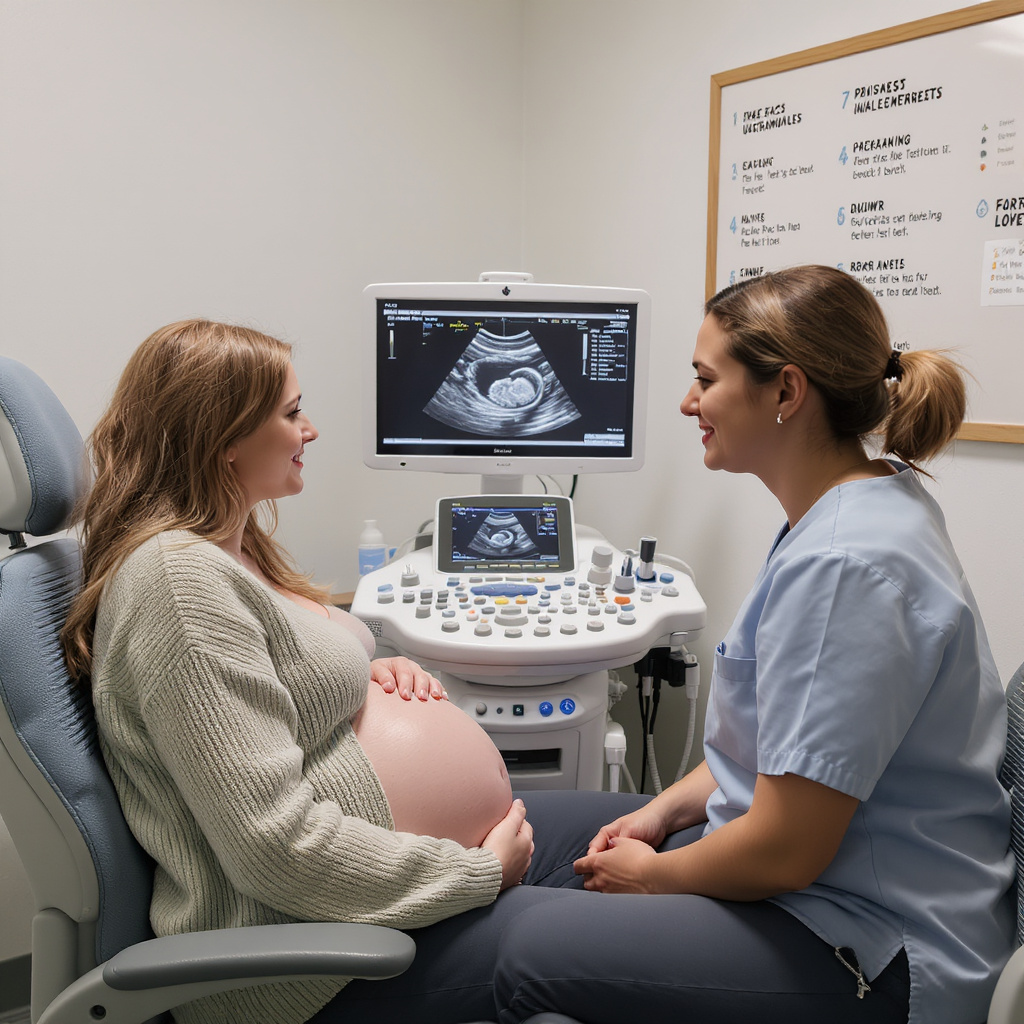
7 Key Facts About Ultrasound in Pregnancy
- 1. What ultrasound is and why it’s used
Ultrasound uses high-frequency sound waves to create live images of your baby and the surrounding uterus. Scans confirm pregnancy, estimate gestational age, check growth and heartbeat, identify multiples, and examine the placenta and amniotic fluid.
- 2. Safety basics you should know
Ultrasound is non-ionizing and typically safe. It’s performed by trained clinicians using the ALARA principle to minimize exposure while obtaining necessary information.
- 3. Dating and viability: what the dating scan checks
The dating/viability scan confirms heartbeat, measures crown-rump length to estimate gestational age, and verifies the pregnancy is inside the uterus and progressing as expected.
- 4. Anatomy scan around 18–22 weeks and possible follow-ups
The anatomy scan looks at major organs and structures, fetal growth, placenta location, amniotic fluid, and fetal position to assess development.
- 5. Heartbeat, growth, placenta location, and amniotic fluid
Heartbeat, growth, placenta position, and fluid levels inform health status and any need for follow-up tests.
- 6. How to prepare for your ultrasound and stay calm
Bring photo ID and insurance details, wear a comfy two-piece outfit, follow clinic bladder instructions, and ask for a supportive environment and clear explanations during the scan to stay calm.
- 7. Interpreting results and planning follow-up care
After results, your provider will explain what’s typical, what needs follow-up, and plan timing for next scans or tests. Ask questions and request written summaries if helpful.
Articles for you

Understanding Your Baby's First Year Milestones: A Gentle Guide for New Parents
Watching your baby grow is akin to reading a fascinating book. Each chapter brings its own surprises, laughter, and perhaps a few moments of doubt. Un...
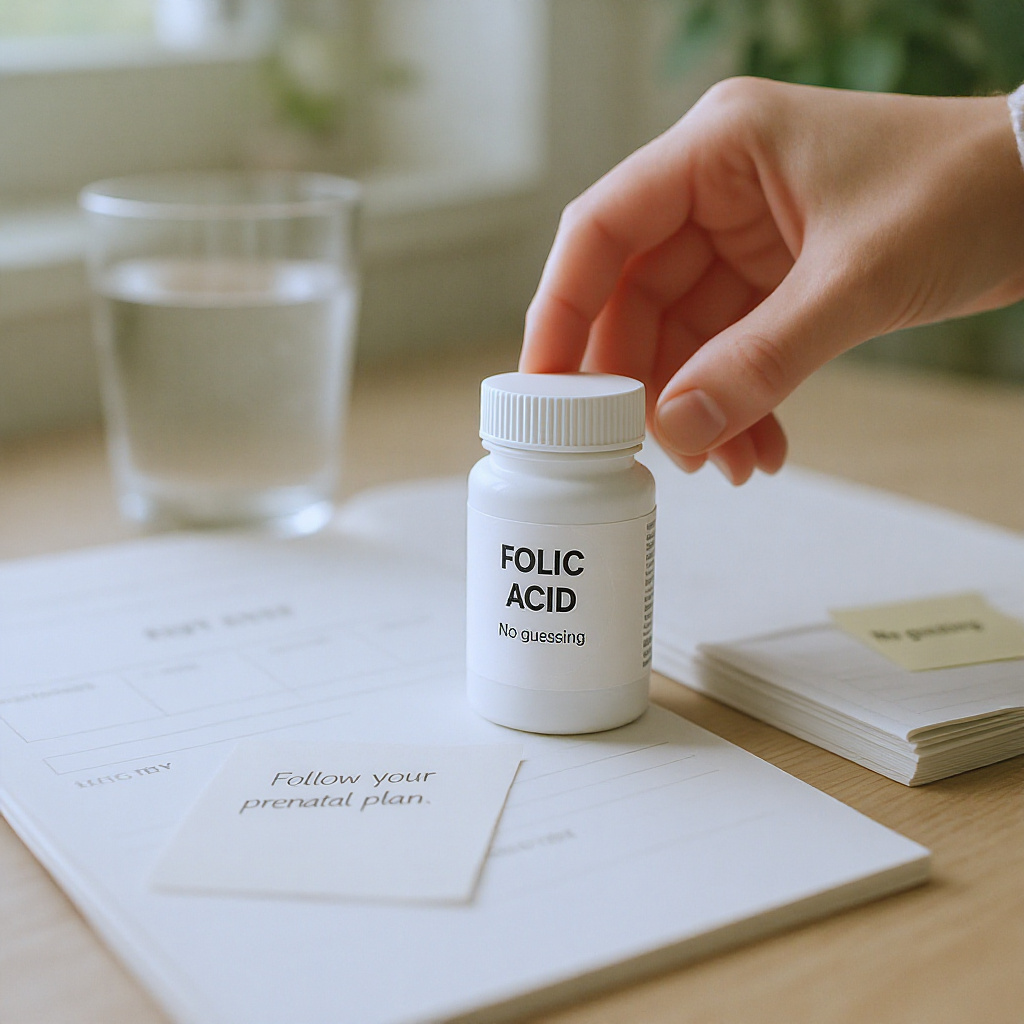
7 Ways to Make Sure You’re Getting the Right Folic Acid (Without Guessing)
7 Ways to Make Sure You’re Getting the Right Folic Acid (Without Guessing) TL;DR Most people need 400 mcg folic acid daily starting bef...

Managing Anxiety During Pregnancy: A Comprehensive Guide
Pregnancy anxiety can arise as an expectant mother navigates the unfamiliar waters of pregnancy. Worry and stress specifically tied to pregnancy journ...