Postpartum Recovery Pillar: Lochia, Self-Care & Support
27/8/2025

Welcome to our comprehensive postpartum recovery pillar post. This central guide walks you through the lochia journey, self-care rituals, warning signs and partner support, and it links to focused cluster articles for deeper insights.
Explore these cluster posts:
- Lochia Stages Explained: Detailed breakdown of rubra, serosa and alba phases.
- Warning Signs to Watch: When to contact your care provider.
- Daily Self-Care Rituals: Sitz baths, cold therapy and pelvic rest tips.
- Bleeding Log Templates: How to track flow, color shifts and pad changes.
- Partner & Emotional Support: Ways loved ones can help and validate your experience.
As your central hub, this pillar post also demonstrates how to implement a topic-hub strategy:
- Pillar Overview: Why a broad, authoritative post retains readers.
- Internal Linking: How linking to cluster articles boosts SEO and user engagement.
- Content Upgrades: Offer downloadable bleeding log templates or self-care checklists.
- Analytics Tracking: Monitor click-through rates to optimize your content funnel.
In maternal recovery, lochia naturally transitions over roughly six weeks from bright red to creamy white. Pair that timeline with gentle self-care and vigilant symptom tracking to empower your journey back to balance. For full details, click through to each cluster article above and build a support network that honors your body’s unique path to healing.
Articles for you

Navigating Hormonal Changes During Pregnancy
During pregnancy, hormones are not just bustling in the background; they are essential companions on your journey, ensuring both you and your baby are...
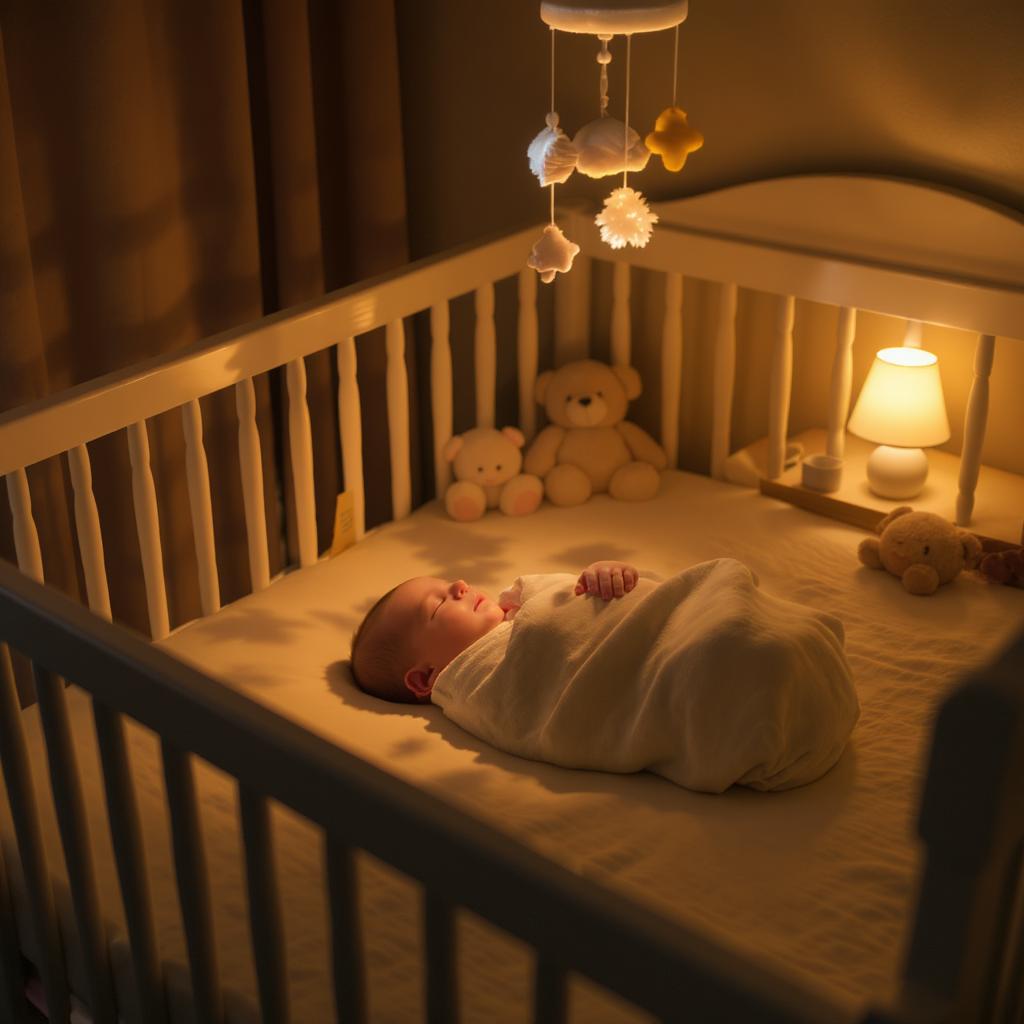
7 Ways to Enhance Your Newborn’s Sleep Patterns
Welcoming a new baby into your life brings a unique set of rhythms and routines, especially when it comes to sleep. Here are 7 ways to better understa...
Nurturing Your Newborn: Navigating Cradle Cap and Breastfeeding with Love and Knowledge
Becoming a parent is akin to embarking on a beautifully chaotic adventure, full of joy, endless learning, and even a few unexpected challenges along t...